Gambling Loan Risks: Debt Cycles and Long-Term Financial Impact
Understanding How Borrowing to Gamble Creates a Vicious Cycle of Financial Hardship and What to Do Instead

Quick Summary / Key Takeaways
- Borrowing to gamble can start a debt cycle in which people borrow again to cover losses. Interest and fees add to what you owe, which can make it hard to get ahead without a plan or outside help.
- The financial impact of gambling debt extends far beyond the initial loan amount. It can hurt credit scores, use up savings and strain relationships. A creditor can take legal action, and a court judgment can be a route to collecting what you owe.
- Many lenders restrict the use of loan funds for gambling in their agreements. Read yours, and ask the lender if it is unclear.
- Recognizing the warning signs can help. These include hiding debt, borrowing from multiple sources, feeling pressure to chase losses with more borrowed money, and experiencing anxiety over finances. Acting early can keep the problem from growing.
- Sustainable financial recovery involves stopping the borrowing, creating a realistic budget and debt repayment plan, and seeking professional help. Nonprofit credit counseling and support groups are places to ask for help.
Introduction
Using a loan to gamble can start a cycle of debt. It combines the uncertainty of betting with the certainty of repayment. Unlike borrowing for a car or a house, a gambling loan funds an activity that can end with nothing to show for it. If the money is lost, you still owe the debt, plus interest and fees. The core issue is the mechanism of the debt cycle itself. A loss funded by borrowed money creates immediate pressure. The desire to recoup that loss and pay back the loan can lead to a dangerous mindset: borrowing even more to chase the loss. This is how the cycle begins. Each subsequent loan adds another layer of debt, higher interest payments, and increased psychological stress. The financial impact of gambling debt can grow beyond a single bad decision and may affect credit, relationships and well-being. This article breaks down the specific gambling loan risks, explains the mechanics of how debt cycles form, and outlines the long-term financial consequences. We will focus on the structural reasons why borrowing for gambling is so destructive, helping you understand the warning signs and the importance of responsible borrowing guidance. We are not a lender. Our lender directory lists licensed lenders by state, and our guide on what happens if you don’t pay a payday loan explains what can follow missed payments.
The Anatomy of a Gambling Debt Cycle
| Stage | Action | Psychological Driver | Financial Consequence |
|---|---|---|---|
| 1. Initial Loss & Borrowing | Taking out a loan or cash advance to cover initial gambling losses or to continue playing. | Optimism or desperation; belief that a big win is imminent (‘chasing losses’). | Immediate debt is created, which may carry high interest rates and fees. |
| 2. Compounding Losses | Losing the borrowed money, increasing the total amount owed. | Increased pressure and anxiety; the need to win becomes more urgent to cover the growing debt. | Interest and fees can push the balance above the amount borrowed. |
| 3. Repeat Borrowing | Seeking additional loans from different sources to pay off the first loan or to continue gambling. | A sense of being trapped; gambling feels like the only way out of the debt it created. | Several debts are open at once, which can be hard to manage. |
| 4. Default and Consequences | Failing to make payments on the accumulated loans. | Feelings of hopelessness, shame, and despair. | Credit score damage, collections activity, possible legal action and long-term financial harm. |
Comparing Financial Products: Why Gambling Use is Restricted
| Financial Product | Typical Use Case | Gambling Use Policy | Associated Risk Profile |
|---|---|---|---|
| Personal Loans (Banks/Credit Unions) | Debt consolidation, home improvement, large planned purchases. | Some agreements restrict it. Check yours, because breaking a term can have consequences. | Cost depends on the APR and fees; compare offers. |
| Payday Loans / Cash Advances | Emergency, short-term expenses like car repairs or medical bills. | Varies by lender; read the agreement. | The CFPB describes payday loans as high-cost; they are meant for short-term needs. |
| Credit Card Cash Advance | Accessing cash from a credit line for emergencies when other options aren’t available. | Possible. Cash advances are often priced differently from purchases; check the card terms. | The CFPB notes card companies charge a different interest rate for cash; check fees and the rate before you use one. |
| Loans from Unregulated Lenders | Last-resort borrowing when other options are exhausted. | Terms vary; check that the lender is licensed in your state. | Higher risk if the lender is unlicensed; verify with your state regulator. |
Application Preparation Checklist
- Hiding bank statements or debt from family and friends.
- Borrowing from multiple sources (credit cards, loans, family) to fund gambling.
- Feeling an urgent need to ‘win back’ losses by borrowing more money.
- Selling personal possessions to cover debts or to get more funds for gambling.
- Experiencing significant stress or anxiety directly related to gambling-related debt.
Post-Arrival Checklist
- Acknowledge the problem and immediately stop all gambling activities.
- Calculate the full extent of the gambling-related debt by gathering all statements.
- Create a strict, realistic budget that prioritizes necessities and debt repayment.
- Contact non-profit credit counseling services for guidance and a repayment plan.
- Seek support from groups like Gamblers Anonymous to address the underlying behavioral issues.
Table of Contents
Section 1: Understanding the Core Risks
- What makes a gambling loan different from other types of debt?
- Why do lenders specifically prohibit using loans for gambling?
- What are the immediate financial consequences of losing borrowed money?
Section 2: The Debt Cycle Mechanism
- How does borrowing to cover losses create a debt cycle?
- What role do high interest rates and fees play in gambling debt?
- Can winning with a loan solve the problem or does it make it worse?
Section 3: Long-Term Impact and Recovery
- How does gambling-related debt affect your credit score and future borrowing?
- What are the non-financial impacts of a gambling debt cycle?
- What is the first step to take if you are in a gambling debt cycle?
- Are there safe alternatives for managing financial emergencies without resorting to gambling?
Frequently Asked Questions
Section 1: Understanding the Core Risks
FAQ 1: What makes a gambling loan different from other types of debt?
A gambling loan is different from many debts because it pays for an activity with no asset and no guaranteed return. Unlike a mortgage or an auto loan, where the debt is tied to a house or a car, the borrowed money is spent on bets. If you lose, only the repayment obligation is left. With nothing to fall back on, a loss can quickly turn into a debt problem.
FAQ 2: Why do lenders specifically prohibit using loans for gambling?
Some lenders restrict using loan funds for gambling, but each lender sets its own rules. Gambling outcomes are uncertain, so a lender may see it as raising the risk that the loan will not be repaid. A lender that includes such a clause in its agreement may be able to act if you break it. We could not find a federal rule that sets one standard, so read your agreement and ask the lender what uses are allowed.
FAQ 3: What are the immediate financial consequences of losing borrowed money?
The most immediate consequence of losing borrowed money is that you still owe all of it. You owe the full principal plus any fees and interest, and you have nothing to show for it. You must find money from your income or savings to make the payments. If the loan was high-cost, such as a payday loan, which the CFPB describes as “a short-term, high-cost loan,” the cost can build quickly. Money sent to the loan may also leave less for rent or utilities.
Section 2: The Debt Cycle Mechanism
FAQ 4: How does borrowing to cover losses create a debt cycle?
Borrowing to cover gambling losses, known as ‘chasing losses,’ is the engine of a debt cycle. It rests on the hope that a future win will solve the current debt. When a borrower takes a second loan to pay off the first or to win back the money, a second loss means owing two debts instead of one. That raises the total monthly payment and the interest paid. The pressure can build, and some people then seek a third loan. Each new debt makes repayment harder.
FAQ 5: What role do high interest rates and fees play in gambling debt?
High interest rates and fees add to the cost of any debt, including debt used for gambling. Some short-term loans carry high APRs. The CFPB notes that a two-week payday loan at $15 per $100 works out to an APR of almost 400%. Interest and fees keep adding up whether or not you keep gambling, and they take money from your budget. Our guide on how APR works explains how to compare costs.
FAQ 6: Can winning with a loan solve the problem or does it make it worse?
A win might pay back one loan, but it does not remove the risk of the next one. A win can give temporary relief, and it may also make borrowing to gamble again feel safer than it is. Gambling outcomes are uncertain, so a later loss on borrowed money can leave you with a larger debt.
Section 3: Long-Term Impact and Recovery
FAQ 7: How does gambling-related debt affect your credit score and future borrowing?
Missed payments and defaults can hurt your credit score and may limit your future access to credit. The CFPB says “a credit reporting company generally can report most negative information for seven years” (bankruptcies up to ten years). Lenders set their own rules, so a lower score may mean higher rates or a denial for loans like a mortgage or auto loan. Paying on time going forward helps rebuild credit over time.
FAQ 8: What are the non-financial impacts of a gambling debt cycle?
Debt can affect more than your finances. Stress and worry about debt can affect sleep, mood and work for some people. Secrecy and shame can strain relationships with partners, family and friends, and isolation can make it harder to ask for help. If you feel overwhelmed, talk to someone you trust or a health professional.
FAQ 9: What is the first step to take if you are in a gambling debt cycle?
The absolute first step to breaking a gambling debt cycle is to stop gambling and stop borrowing immediately. You cannot solve a debt problem with the same behavior that created it. This requires acknowledging the full scope of the problem and making a firm commitment to change. The next crucial action is to seek help. This can come from sources such as a trusted family member, a nonprofit credit counseling agency or a support group like Gamblers Anonymous. A credit counselor may help you build a budget and talk to creditors. Ask any agency about its fees before you sign up. You can also tell a creditor what is happening and ask about a payment plan.
FAQ 10: Are there safe alternatives for managing financial emergencies without resorting to gambling?
Yes. These are general options, not recommendations of a particular provider. Over time, an emergency fund can help; the CFPB says how much you need “depends on your situation.” For bills, ask the creditor or service provider about a payment plan. Call 211 or visit 211.org for local help with rent, utilities and food. If you borrow, ask a credit union about a payday alternative loan, which federal rules cap at a $20 application fee and $200 to $2,000 (PALs I $200 to $1,000; PALs II up to $2,000), and compare the APR and total cost of any offer.
Sources
- How long does negative information remain on my credit report?, Consumer Financial Protection Bureau, reviewed September 2, 2026.
- What is a payday loan?, Consumer Financial Protection Bureau, reviewed May 28, 2024.
- What is a cash advance on a credit card?, Consumer Financial Protection Bureau, reviewed January 22, 2024.
- An essential guide to building an emergency fund, Consumer Financial Protection Bureau, last modified October 29, 2025.
- 12 CFR 701.21, Loans to members (payday alternative loans), eCFR, checked October 15, 2026.
- 211.org, United Way Worldwide, checked October 15, 2026.
We are not a lender. This is general information, not financial or legal advice. Rules change; check your state's current rules and the lender's own disclosures before you borrow.
Keep reading

Gambling Loan vs Cash Advance: What to Know Before Borrowing
How borrowing to gamble differs from a credit card cash advance: purpose, costs, risks and lender rules to check first. Independent; not a lender.
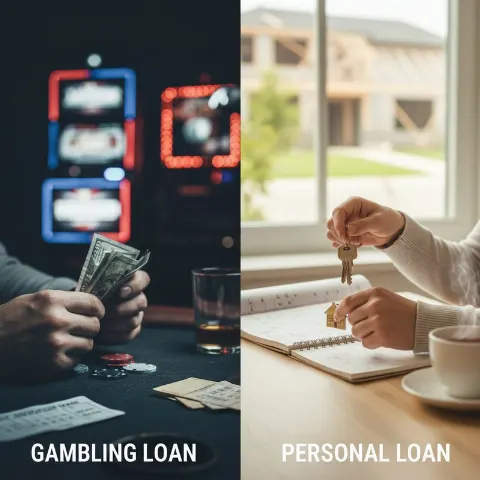
Gambling Loan vs Personal Loan: Key Differences Explained
Discover the key differences between a gambling loan vs. a personal loan. Learn about lender restrictions, risks, and compliant borrowing alternatives.

Gambling Loan Options: What Lenders Allow And What They Do Not
Discover what lenders allow and prohibit for gambling loan options. Understand use-of-funds clauses, restrictions, and the risks of non-compliance.